

Lit bro starter pack
Or: my fave books from a couple years of reading seriously

(cross-posted from my main site.)
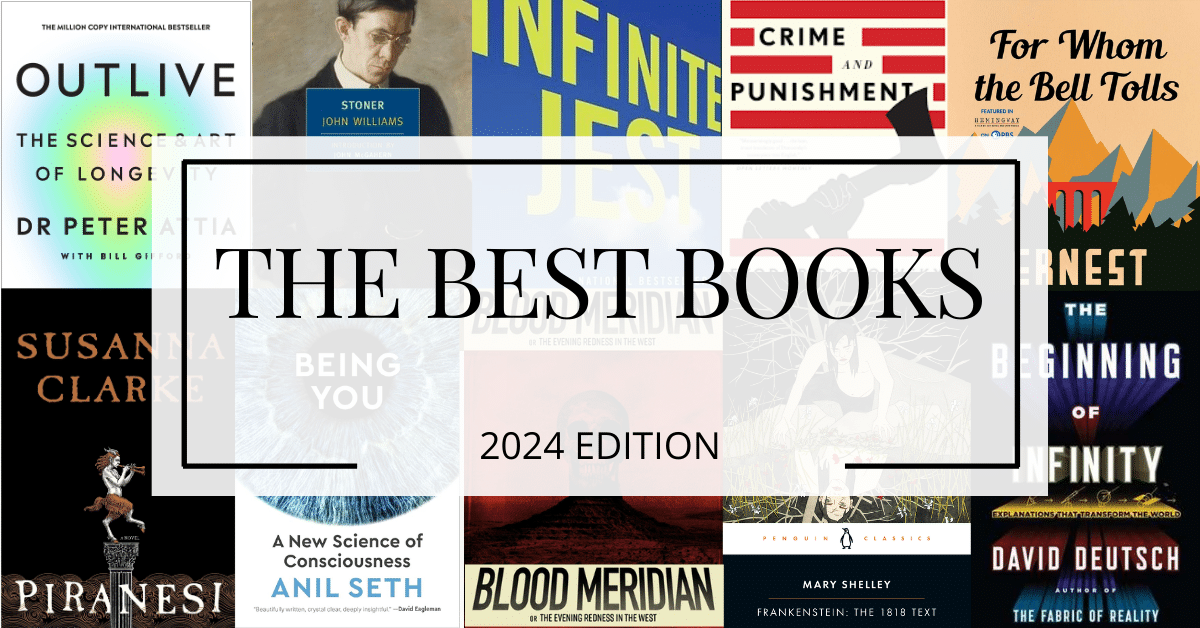
IT’S BEEN A COUPLE YEARS since I did one of these roundups, during which time book club has really lifted my reading game, and so the pool of contenders has a lot of depth this year.
After much agonising I’ve winnowed my favourites down to a top 10. The list ended up heavy on classics and big names, with fewer underrated or self-published authors. In fact, as I read back over it, it looks suspiciously close to the lit-bro starter pack—wow, Hemingway is a great read, really groundbreaking stuff. But I think that also tells you something!
I’ve also read quite a bit of contemporary fiction—perhaps more than ever before, thanks to the influence of my wife, who is a keen reader of the kind of titles that make it into the New York Times lists and win big awards. I’ve enjoyed a lot of it, but nothing has really stayed with me so far, and it’s hard to imagine it surviving the filter of history. Only time will tell.
Nonfiction has not been a focus for me lately, but of the books I did read, there were a couple of big quake reads that I’m excited about. So let’s get into the list.
The public library will loan you these books for free. If you’d rather buy them, use the links below to support this site at no extra cost to you.
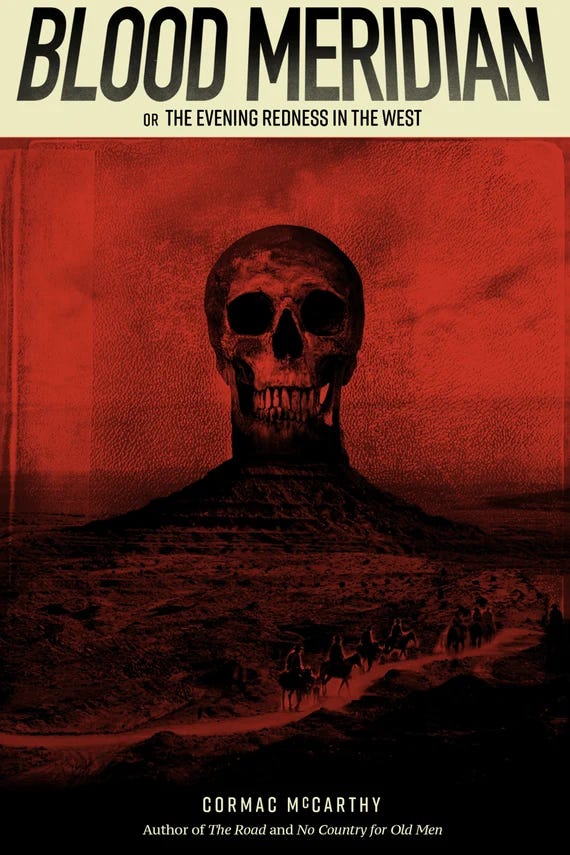
Blood Meridian — Cormac McCarthy
A legion of horribles, hundreds in number, half naked or clad in costumes attic or biblical or wardrobed out of a fevered dream with the skins of animals and silk finery and pieces of uniform still tracked with the blood of prior owners […] riding down upon them like a horde from a hell more horrible yet than the brimstone land of Christian reckoning, screeching and yammering and clothed in smoke like those vaporous beings in regions beyond right knowing where the eye wanders and the lip jerks and drools.
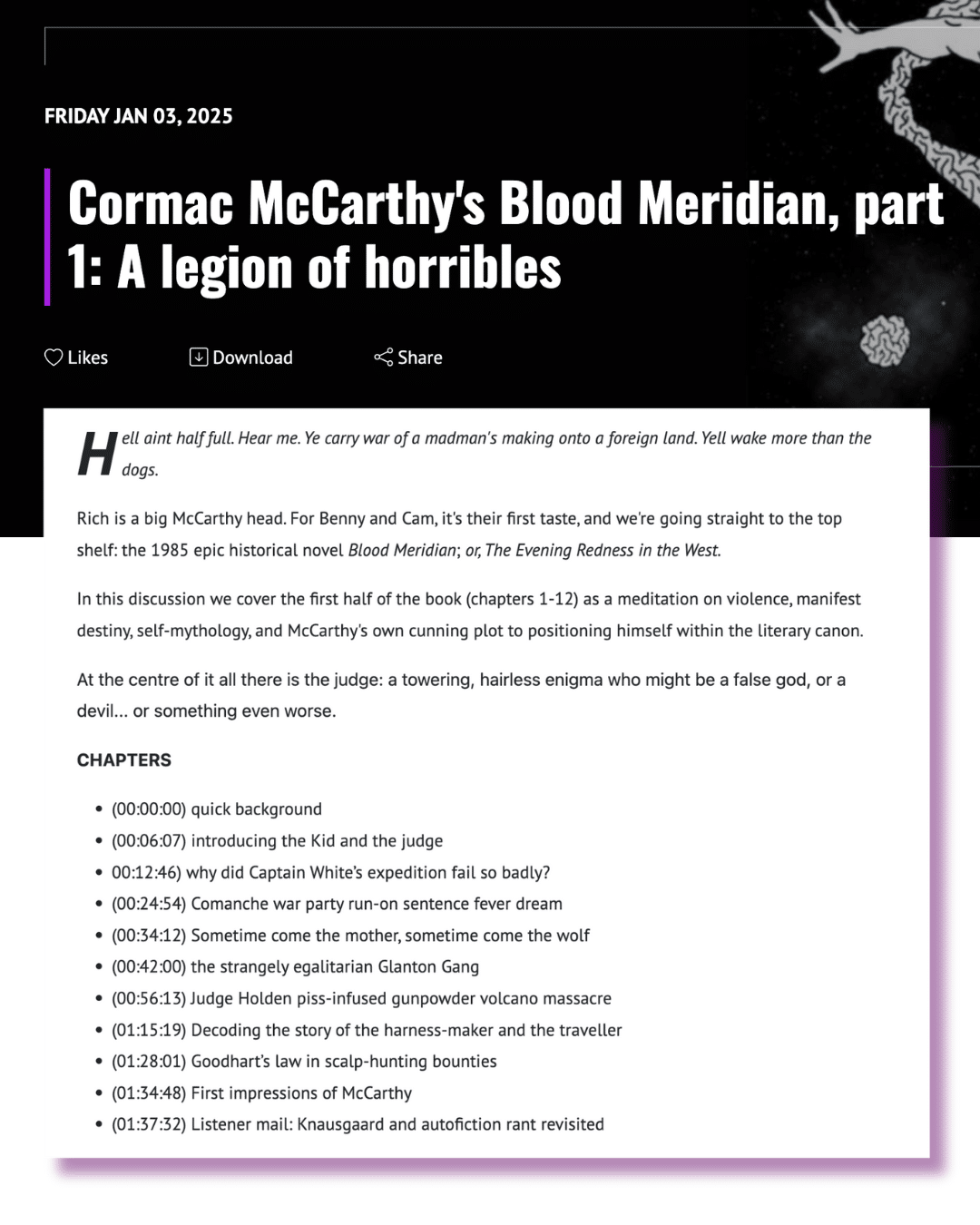
After McCarthy died I thought ‘oh, the guy who wrote The Road, I should check out more of his stuff’. I picked up Blood Meridian, got hooked, and have now worked my way through ~9 of his novels? Maybe I’ll put together a tier list when I’ve read and reflected on his whole body of work1, but Blood Meridian is going to be hard to beat: I had a great time re-reading it with the Do You Even Lit? boys this month:
(Listen on Spotify | Apple | YouTube)
There are two make-or-break factors that will determine whether or you not like Blood Meridian. The first is McCarthy’s idiosyncratic style, which to my taste runs riiight up against the line of purple prose without quite crossing over, but which others might reasonably find to be pretentious or nonsensical. In book club we talk about e.g. the ‘legion of horribles’ passage above (abbreviated) as an example of the various clever writing tricks McCarthy employs to unleash that Old Testament thunder.
The other make-or-break factor is the violence. It’s relentless and unsparing and genuinely distressing in a way that just won’t be worth it for a lot of people. Personally, I think it’s important to be reminded that the veneer of civilisation is very thin, and must be protected at all costs. In the second half of our book club chat we get into the question of whether humans are intrinsically violent, the kind of coordination mechanisms that have helped us reign it in, and the weirdly refreshing egalitarianism of McCarthy’s nightmare: your ancestors were shit a product of their incentive structures, and so were mine. But there are glimmers of hope (Deutschian knowledge? gnosis?) that let us escape the dance.
Infinite Jest — David Foster Wallace
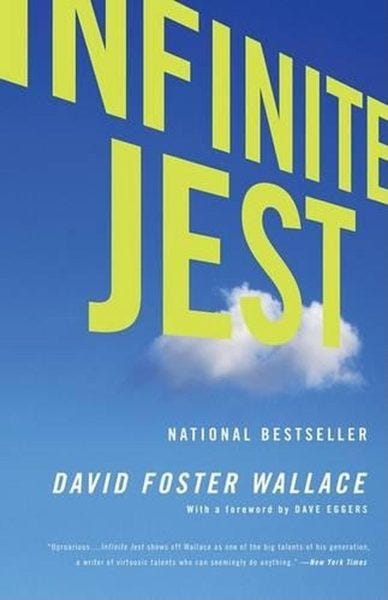
Another slam-dunk inclusion on the list. It’s been 18 months since I read it, and the whole time I’ve been dying to organise my thoughts into some kind of book review, but I remain frozen into inaction by the sheer daunting task of trying to get my teeth around a book this monstrous, not to mention the double bind I noted in my post on reading fiction:
This is the same problem as when you try to review Infinite Jest and realise it’s impossible, because the medium is the message: the act of slogging through this big heavy phonebook of a novel is a metatextual homily about the importance of overcoming passivity, and reminding yourself every day of the deep truths buried within apparent clichés, and how the work of fending off loneliness and self-worship and addiction never, ever comes to an end; the moment you think you’re done you just loop back to the start again. If you read the SparkNotes you will only ever pick up some faint ghostly imprint of the book’s themes. It doesn’t compress well!
One day I will write the real review. Until then: yes, it is really hard. Yes, it is worth it. No, I don’t think I would have managed it without a book club.
For Whom the Bell Tolls — Ernest Hemingway
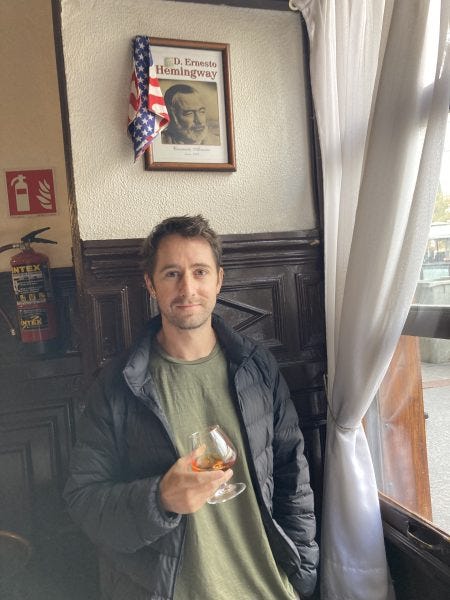
I decided to revisit Hemingway’s fictionalised account of the Spanish Civil War (For Whom…) and of bullfighting and ennui ( The Sun Also Rises) as ‘surround sound’ reading to enrich my travels in Spain. Enriched they were—I even accidentally sat in the window booth reserved for him at his favourite haunt in Madrid.
I remembered Hemingway as being a strict minimalist and master of tight prose, but this book is anything but. Arguably it is closer to maximalist: we get long run-on passages of interior dialogues, cognition and meta-cognition, as well as purplish-prose trying to describe the indescribable e.g. the sex scenes which become poetry about nothingness, the void, etc. I sometimes caught myself skimming over page-long paragraphs and ruminations, or wishing for a tighter edit!
The book is not plot driven. We are introduced to Robert Jordan and his plans to blow up a bridge right at the outset, then it takes a full 400 pages to get there. Nor are we told anything about the Civil War’s overarching structure. I think Franco is mentioned a single time, and in passing. Instead, we come to care deeply about the parochial concerns of each character: the fascists in their village, the bridge they must blow up, the woman they love. And yet in doing so, and thru the various recollections and different ways of dealing with such problems, we still build up an overall picture of the war which is quite accurate and perceptive and handled extremely delicately, in a way that a more direct historical fiction account may not have succeeded: especially the arbitrariness of the sides on which ordinary men find themselves fighting and dying while the Falanges and Russians and other puppetmasters lurk in the background.
Every character, no matter how minor, has extremely interesting and varied motivations. Jordan is a foreigner volunteering to fight a war not based on religion or ethnicity but on ideas. Pilar enforces stability though the book: her brutality of expression, her softness, the way she commands, the way she tells stories. And piggy cunning Pablo, who twists and turns and keeps the whole narrative on a knife-edge, representing the fickleness of the spaniards. But all of them are wonderful: El Sordo the guerrilla leader, Anselmo the good christian, literal-minded Fernando. Many of these characters have personality traits that we don’t often find in people today, or so it seems to me. So we need a setting like this to bring it out.
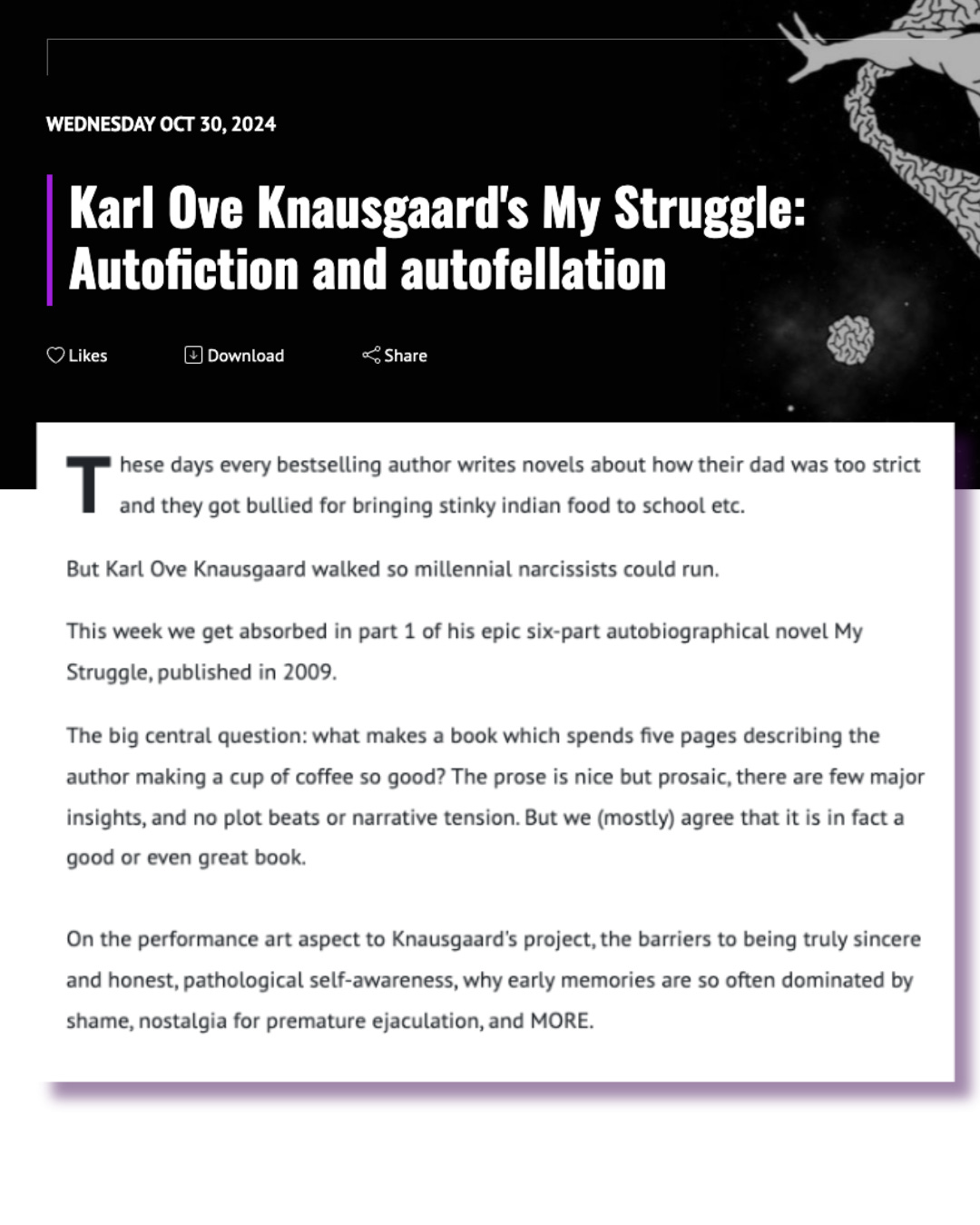
A related thought I had while reading this is that there is nothing wrong with autofiction as a genre; it’s just that most author’s lives are kinda boring and same-samey. There are rare cases where the truly quotidian can be elevated to art—we got into this in our book club on Knausgaard (below), and e.g. Sally Rooney had at least one great book in her. But most of the trendy modern autofiction leaves me cold. Hemingway volunteered in WWI, was a war correspondent in Spain and WWII, traveled extensively in Africa, etc. You don’t have to have lived an extraordinary life in order to write a work of extraordinary autofiction, but it sure does help.
(Listen on Spotify | Apple | YouTube)
Stoner — John Williams
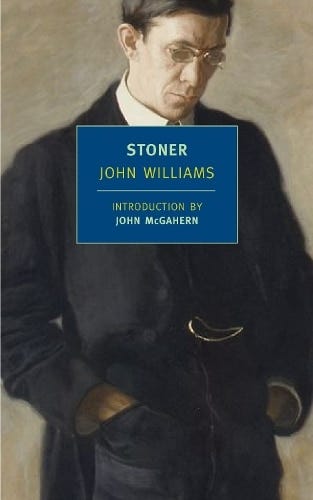
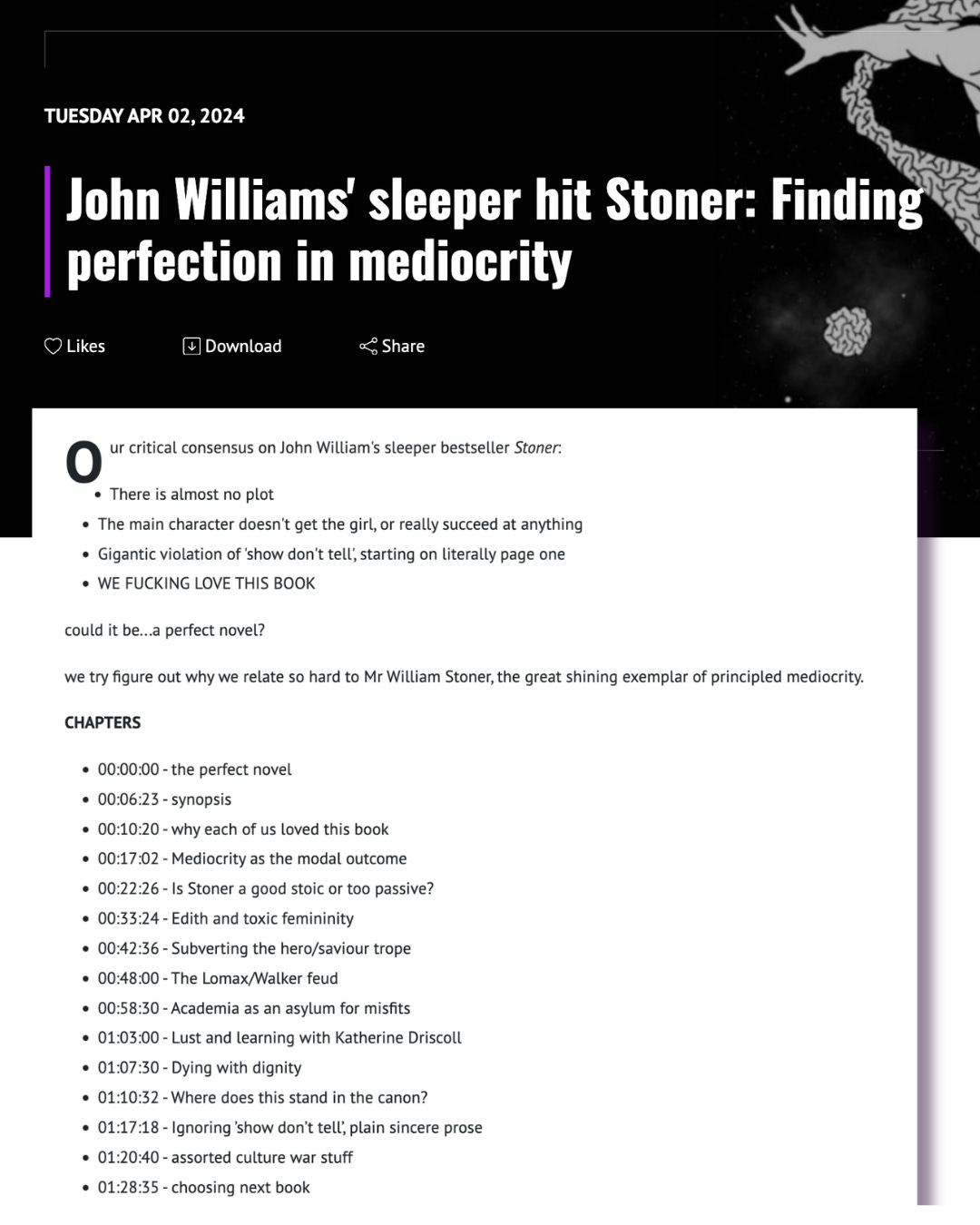
Speaking of boring lives: William Stoner is a Missouri farmboy who falls in love with the life of the mind, enters academia, gets embroiled in various personal and professional struggles, achieves little of note, and dies in obscurity (not a spoiler).
This is a bittersweet and meditative novel that I expect to come back to over and over again, in part because it felt tailor-made for me: the awakening of a love for learning and scholarship, settling into adulthood and accepting your own mediocrity, finding dignity in a quiet life and the pleasures of work. It has had a resurgence of interest since being republished in the 2000s, and is now a cult classic.
Benny and Cam loved this one too. This was one of our earliest book club meetings—at the time, not intended for public release—and so the quality of both the audio and the discussion are a bit shit. Maybe we’ll do a retrospective in a few years.
(Listen on Spotify | Apple | YouTube)
Frankenstein — Mary Shelley
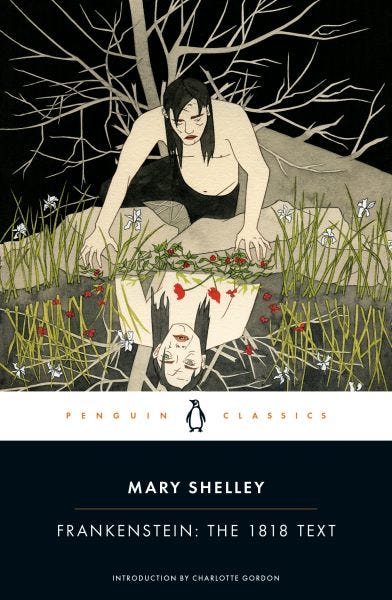
It blows my mind that a teenage girl living in a heavily patriarchal society managed to not only write a genre-defining work of science fiction, but a book that remains just as gripping and timely a couple hundred years later: it maps extremely well onto the concerns around AI, the incel discourse, and important debates about the Promethean nature of technology to unlock great creativity and destruction.
This was another book club read that we all enjoyed, and led to some fruitful chats:
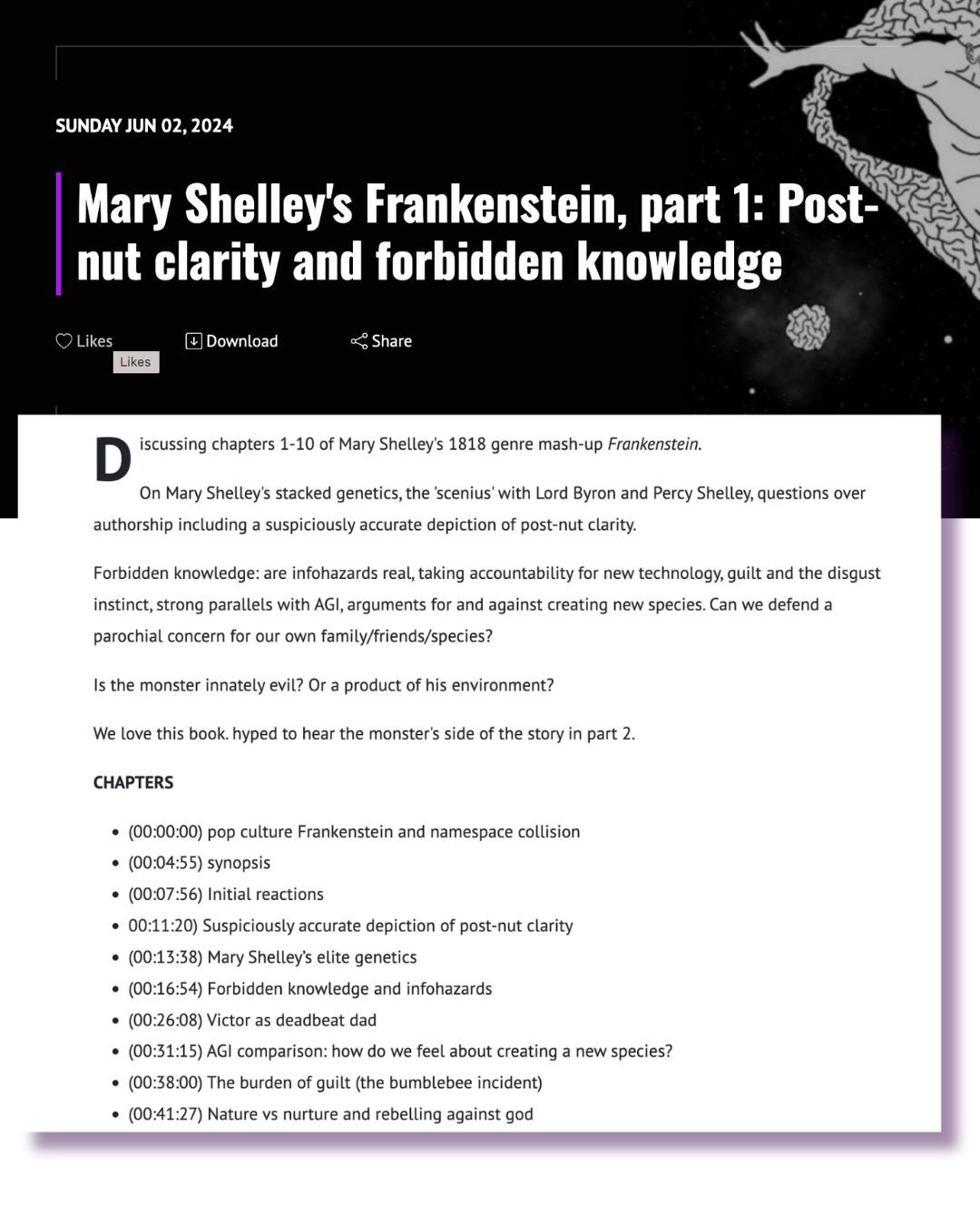
(Listen on Spotify | Apple | YouTube)
Piranesi — Susannah Clarke
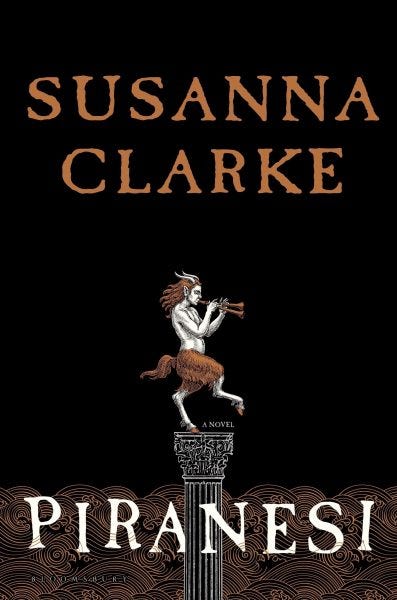
The only book from this century to make the cut! My favourite thing about Piranesi is that it is fundamentally a joyful and life-affirming book in spite of some dark subject matter. This was my second read, and the fact that I still got so much out of it is the mark of a great book. The boys rated it highly too:
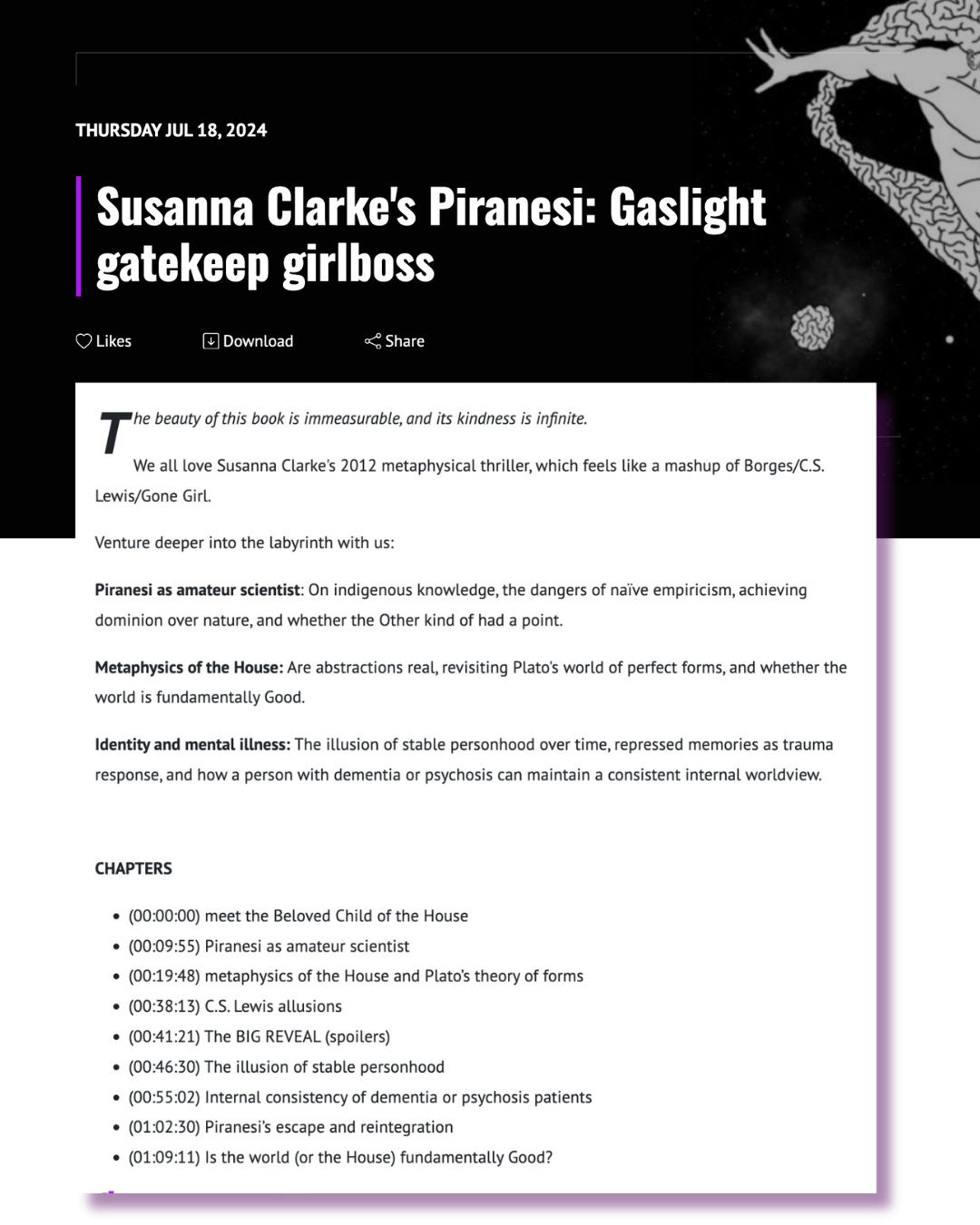
(Listen on Spotify | Apple | YouTube)
Crime and Punishment — Fyodor Dostoevsky
This is the third of Dostoevsky’s major works that I’ve managed to slog my way through, so I now feel qualified to weigh in with some controversial takes:
Dostoevsky is not a very good writer! His characters are always hysterically leaping around the place and and pouring their hearts out to one another for pages on end in a way that makes my eyes roll into the back of my skull. He gets praised for realism, but some of his characters are woefully underdeveloped cardboard cutouts who exist only in service to other characters (cough, Sonya). He has some great lines here and there but his prose is clumsy and rushed and repetitive.
A lot of Dostoevsky’s ideas are bad! It is fascinating that he is such a revered name in the (predominantly lefty) literature world, because he is a straight-up reactionary old man shaking his fist at clouds: a Russian nationalist, an imperialist, a religious zealot railing against the corrupting influence of dangerous western ideas like atheism.
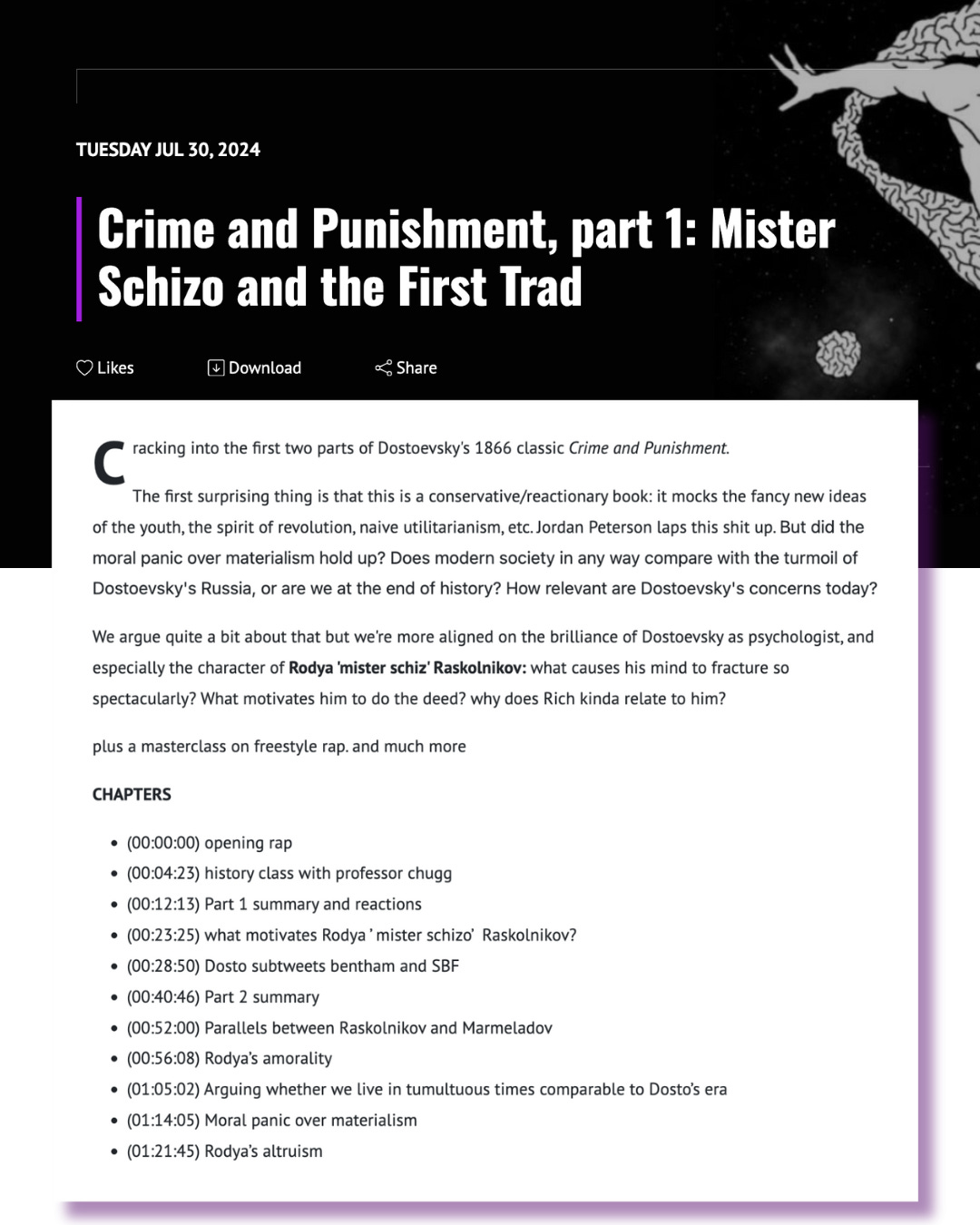
Reading Crime and Punishment felt like a battle at times, and yet here I am picking it as one of my favourite books. Why? Partly because it helped me understand that Christian morality really is an important load-bearing part of modern civilisation, even if it’s hard to see it in our transition to secular humanism (i.e. it has become the water in which we swim). So it was fun to explore that, along with some related Nietzchean ideas about slave vs master morality, ‘extraordinary men’, etc.
Secondly, while Dostoyevsky might be kinda bad at psychologising the ills of society as a whole, he is an unparalleled genius at getting inside individual people’s heads. Raskolnikov is now and forever my go-to example of the duality of man—not only in that seemingly repellent or evil people can perform great acts of love and vice versa, but that minds are generally fragmented and incoherent places with many competing drives and desires.
(Listen on Spotify | Apple | YouTube)
The Beginning of Infinity — David Deutsch
Finishing up with a few nonfiction picks: the book that continues to life rent-free in my head is Beginning of Infinity. In my full review, I described it as the densest collection of batshit-crazy ideas I’ve ever come across:
Never mind the bit about how there are trillions of copies of you constantly branching throughout the multiverse. Deutsch also claims there is nothing in principle stopping us from colonising the stars, transmuting matter like the alchemists of old, bringing an end to death, reversing global warming, and solving any other problem that arises. But that’s not ambitious enough: we also need to casually dismantle the central problem of metaethics, and toss in an argument for objective beauty while we’re at it.
This is a book about knowledge: Why is that humans can create knowledge, where other animals (and current-level AIs) can’t? What are the limits to our knowledge? How do we get more of it? How should we design our institutions so that the creation of new knowledge is not impeded?
The answers Deutsch gives to these questions are extremely interesting and have far-ranging implications about everything from parenting to which system of government is best.
I want to write more about Deutsch’s work but I keep updating my ideas faster than I can get anything down on paper. Keep an eye out for posts on Deutsch and AI, intelligence, and art, as well as some of my unresolved criticisms and doubts about his worldview.
Being You: A New Science of Consciousness — Anil Seth
A wonderful book, both as a primer to bring you up to speed on the big problems in consciousness research, and offering up some intriguing insights from the cutting edge of the field.
This really needs a full review, but the best I can do is a potted list of some of my main takeaways:
I am halfway convinced that the hard problem of consciousness is not a real problem
Integrated Information Theory is wrong, but is important in that it highlights some necessary (not sufficient) conditions for consciousness
Qualia are best thought of as adaptive hallucinations: e.g. ‘redness’ has no one-to-one correlation with wavelength—instead it lets us track the way in which light reflects off a surface under changing lighting conditions
The illusion of having free will is adaptive, because entertaining counterfactuals mean we can make different decisions in similar future situations
The illusion of stable selfhood is caused by ‘change blindness’: things that change slowly don’t evoke any corresponding perceptual experience
Self-awareness might arise only amongst social animals: we only perceive ourselves as it becomes necessary to model how others perceive us
Consciousness has a lot more to do with being alive than it does with intelligence
The fundamental quality of life is actively avoiding high-entropy states (i.e minimising prediction error/free energy)
AI is unlikely to have consciousness without interoceptive signalling, embodiment, drive to avoid high-entropy states, etc
This book is pitched at a general audience, but I think I enjoyed it because it covers so many things I’m already interested in (predictive processing, free will and determinism, personal identity, qualia and the hard problem of consciousness, AI, animal welfare, etc.) If all of the above sounds like total gobbledegook then it may not be for you. If you’re on the fence, check out Jacob’s great review over at Putanumonit, which I think is where I first heard about it.
Outlive: The Science and Art of Longevity — Peter Attia
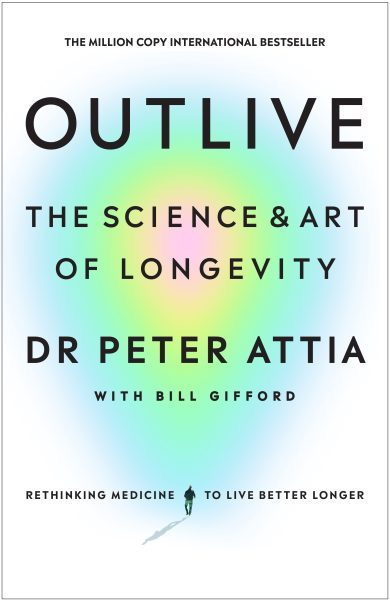
Almost every popular guru in the field of nutrition and health is a charlatan and/or a snake-oil salesman, which makes it really hard to figure out which information you can rely on. Attia is very slightly shady in that he hawks bullshit supplement Athletic Greens, but I give him major props for self-correcting on fasting, sauna, and keto when the evidence didn’t support his beliefs, and am 95 per cent confident that I won’t regret recommending this book.
Attia’s central thesis goes something like this:
The way we treat illness today (‘Medicine 2.0’) is almost entirely reactive: when symptoms present themselves, we go to the doctor, get tests done, are prescribed meds, etc.
The vast majority of death and chronic illness that erodes a healthy lifespan is caused by the ‘Four Horsemen’:
metabolic dysfunction (insulin resistance, type 2 diabetes, obesity)
cardiovascular disease
cancer
neurodegenerative disease (e.g. Alzheimers, Parkinsons)
The Four Horsemen don’t respond very well to reactive treatment—in some cases, there’s almost nothing that can be done. But they respond extremely well to preventative measures.
We need to put vastly more focus on prevention (‘Medicine 3.0’), which means longterm lifestyle changes, proactive screening, and early risk assessment.
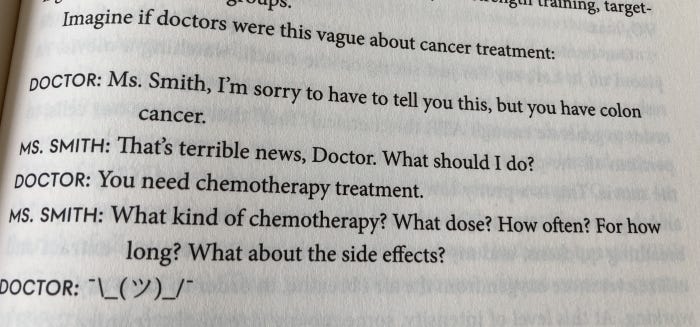
Attia goes deep on each of the Four Horsemen and exactly what kind of measures can ward them off. He finds that exercise is quite literally the best medicine, with far and away the highest ROI for both living longer (lifespan) and improving the quality of those extra years (healthspan). But ‘exercise’ is a vague word. As Attia points out, doctors obviously know that exercise is good, but are woefully vague about prescribing and tracking it: when was the last time your doctor measured your grip strength, or gave you some suggestions for improving your V02 max?
Another idea that has stuck with me is the Centurion Decathlon. Attia asks his patients for a wishlist of the kind of feats they want to be able to perform in their ninth or tenth decade of life: open a jar, climb a flight of stairs, pick up a grandchild, walk up a hill, have sex, etc. Usually they say: all of the above!
Can you do these things now, at age 30 or 40? Probably. But what most people don’t realise is how sharply capabilities decline over time, and how much safety buffer you need built in right now to protect yourself against the precipitous drop-off.
For example: if you can just barely pick a 15kg child up off the floor, there’s no way you’re doing that at age 80. You need to be able to comfortably lift more like 25kg from ground level right now. If you can’t do that, we have to cross ‘pick up grandchild’ off the wishlist.
Same goes for cardio fitness. Say you want to be able to hike a hilly trail, which requires a V02 max of ~30. If you only scored 30 on your last test, you’re in shambles: your score is going to get much, much worse as the decades pass. So we’re going to have to go ahead and cross that hike off your list.
On it goes. In every case, you need to be comfortably beyond the minimum level of fitness required to have a good life now, if you want your life to be good when you’re older.
It’s hard to make the case for reading this book when the core message is so unsurprising. Exercise is good for you! Especially for older people! But I really do think it’s worth reading to fully internalise the insight, as well as to get a better mechanistic understanding of what’s going on, specific ‘dosage’ recommendations, etc.
Perhaps the greatest testimonial I can give is that reading Outlive has prompted me to make some major lifestyle changes. Specifically, Attia has sold me on the importance of doing dedicated cardio, which I have previously avoided at all costs, and thought I could avoid given I have a solid baseline fitness from lifting and generally being active. Even more miraculously, I’ve actually come to love it: I have gone deep down the running rabbithole, am eyeing up a marathon for later in the year, etc.
I’ve also bought a copy for my parents and urged them to read it; if you have parents or other older people in your life I highly encourage you to do the same.
More
You can find a filterable list of all the Do You Even Lit? books we’ve read so far here.
We also did a 2024 Christmas party wrap where Benny and Cam share some of their favourites, we talk about our favourite movies of the year, and reveal our most-hated books: Spotify | Apple
As always, I’d love to hear about your year in reading too! Let me know in the comments or write in to the pod at douevenlit@gmail.com.